
Aug 4, 2022

🩵 avery cochrane 🩵

Discoholic 🪩

todays bird

gracie abrams

Claire Keane

roma★

pixel skylines

macklin celebrini has autism

$LAYYYTER

if i look back, i am lost

Aqua Utopia|海の底で記憶を紡ぐ

Not today Justin

Xuebing Du

ellievsbear

hello vonnie

PR's Tumblrdome

izzy's playlists!

Jules of Nature

RMH

The Stonewall Inn

seen from Iraq

seen from United States

seen from United States
seen from Netherlands

seen from United States

seen from Malaysia
seen from United States

seen from Chile
seen from Türkiye

seen from United States

seen from United States

seen from United States

seen from Mexico
seen from Malaysia

seen from Colombia

seen from Türkiye

seen from Brazil

seen from Australia

seen from Vietnam
seen from Indonesia
@sidhehound
Snail Kite
Surrounded by wildflowers, a bull bison enjoys the morning in Hayden Valley, Yellowstone National Park, Wyoming
© riverwindphotography, July 2022.
Uncharismatic Fact of the Day
Cicadas are a group of insects most famously known for their long dormancy, large population booms, and shrieking songs. In fact, these insects are specially adapted to make their songs as loud as possible: individuals have a muscle that can be pulled back and forth up to 600 times a second, and the sound is amplified by their mostly hollow abdomens.
(Image: A magicicada cicada (Magicicada sp.) by Ed Reschke)
Animal of the Day!
Kagu (Rhynochetos jubatus)
(Photo by David Irving)
Conservation Status- Endangered
Habitat- New Caledonia
Size (Weight/Length)- 55 cm; 75 cm wingspan
Diet- Insects; Worms; Lizards
Cool Facts- The kagu is perhaps the jazziest bird in the world. Near flightless, kagu prefer to spend their days on the ground and use their wings for display or gliding. Being territorial, kagu live in small, mostly male groups led by a dominant female and male. Being monogamous, kagu win a mate through posturing and flaring their head feathers. A female lays a single egg and both parents aid in its incubation. The chick will stay with its parents for up to six years, helping in raising its parents’ future offspring and defend territory. Threatened by invasive species, such as dogs and cats, along with the illegal pet trade, kagu numbers have plummeted. Luckily, several safe zones have been established with the help of native people to protect the kagu and establish it as an emblem animal for New Caledonia.
Rating- 13/10 (A funky little fellow strutting his stuff.)
Animal of the Day!
Crowned Forest Dragon (Lophosaurus dilophus)
(Photo from iNaturalist)
Conservation Status- Least Concern
Habitat- New Guinea; Moluccan Islands
Size (Weight/Length)- 30 cm
Diet- Insects; Worms; Fruits
Cool Facts- Crowned forest dragons are known for their bright green scales and the sharp spines that cover their backs. They are found in heavily forested rainforests, preferring quiet, humid environments. Crowned dragons are mostly arboreal and spend most of their times in tree tops. They spend the majority of their days searching for insects and fruits to eat and then finding a tree hole to sleep in at night. They are not territorial but do not live in groups. Logging and habitat destruction threatens the crowned dragon, but they are relatively unaffected by it. The pet trade also seemingly has no affect on the wild population, but like most large reptiles they are often better left in the wild.
Rating- 12/10 (Missing the wings.)
Pteranodon is one of the most iconic and well-known pterosaurs. And, of course, pterosaurs were not dinosaurs!
Design by Greco Westermann
sulc.us/dont
Giant Panda’s Close Relative Lived in Europe as Recently as 5.5 Million Years Ago
https://www.sci.news/paleontology/agriarctos-nikolovi-11051.html
They be fishin
beastly reminder
the knights of the round table really see the green knight’s decapitated head on the floor and just start kicking
abolish france, bring back giant coelacanth
Cold Mist
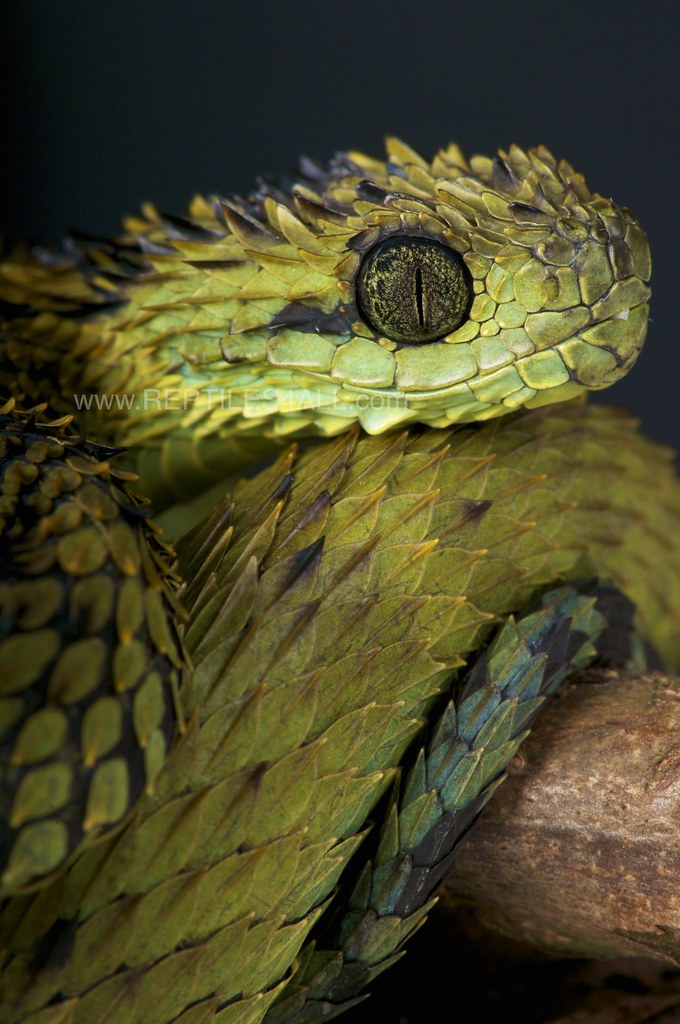
(via Spiny bush viper / Atheris hispida | Flickr - Photo Sharing!)
And the small fish will be today?
Beach field trip
based on:


