


Apr 9, 2024
The quiet Tiber
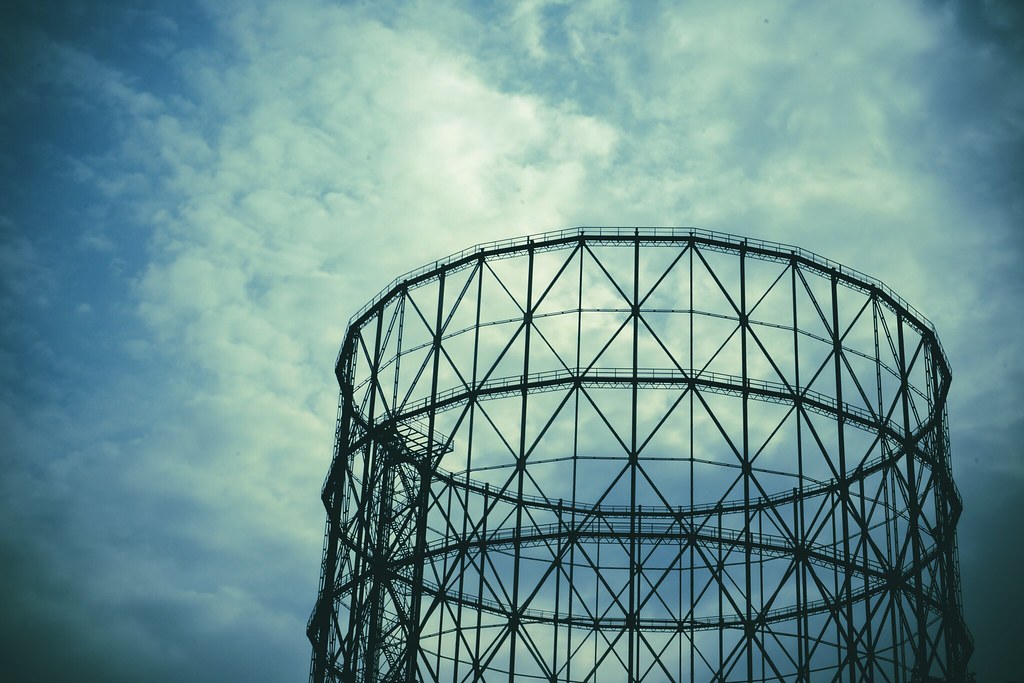
View of the Tiber river in Rome Ostiense, March 2024. Leica R4 with 35 mm Summicron on Ilford Ilfocolor 400 Vintage Tone film.

seen from United States

seen from United States

seen from United States

seen from United States

seen from Singapore

seen from United States

seen from France

seen from Singapore

seen from United States
seen from Germany
seen from Mexico

seen from Ireland

seen from Singapore

seen from Brazil

seen from Singapore

seen from Russia
seen from Argentina

seen from United States

seen from Singapore

seen from Finland
The quiet Tiber
View of the Tiber river in Rome Ostiense, March 2024. Leica R4 with 35 mm Summicron on Ilford Ilfocolor 400 Vintage Tone film.

Ostiense | Rome | Italy.

Ph: particelle elementari

Parco Archeologico di Ostia Antica. Ultimo tratto della via #Ostiense entrando a Ostia antica. Last section of the Via Ostiense entering Ostia Antica #ostiaantica #ostia #roma #rome #italia #italy (presso Parco Archeologico di Ostia Antica) https://www.instagram.com/p/CXA_bvbBO-0/?utm_medium=tumblr

Le fate ignoranti / The Ignorant Fairies Ferzan Ozpetek. 2001
Michele’s apartment Via del Porto Fluviale, 35, 00154 Roma RM, Italy See in map
See in imdb

L'architettura è un servizio, nel senso più letterale del termine. È un'arte che produce cose che servono. Ma è anche un'arte socialmente pericolosa, perché è un'arte imposta. Un brutto libro si può non leggere; una brutta musica si può non ascoltare; ma il brutto condominio che abbiamo di fronte a casa lo vediamo per forza. L'architettura impone un'immersione totale nella bruttezza, non dà scelta all'utente. E questa è una responsabilità grave, anche nei confronti delle generazioni future.
Renzo Piano da "Elogio della costruzione", discorso pronunciato in occasione della ricezione del Premio Pritzker.
In alto, Corviale a Roma. In basso, murales nel quartiere romano Ostiense. Qui sotto, invece, murales nel quartiere Tor Marancia, sempre a Roma.

Piramide di Caio Cesti, Ostiense, Roma, 2019.
Built as a tomb about 20 BCE, this is reputed to be the only ancient, Egyptian-style pyramid outside of Africa. It occupies an important position at a crossroads just outside the the the third century CE Aurelian Wall near Porta San Paolo and yet further outside the 4th century BCE Servian wall. In the Roman era burials were forbidden inside the city walls for all except a few emperors and their families. Today it marks the edge of the Protestant Cemetery (Cimitero Acattolico (“Non-Catholic Cemetery”) of Rome, often referred to as the Cimitero dei protestanti (“Protestant Cemetery”) or Cimitero degli Inglesi). The marble cladding is in good condition thanks to a recent refurbishment. The first time I saw the pyramid, it was a bit of shock to see this 37 meter structure, looking like a small monument from the Valley of the Kings, just across the road from the station for trains to Ostia.
